
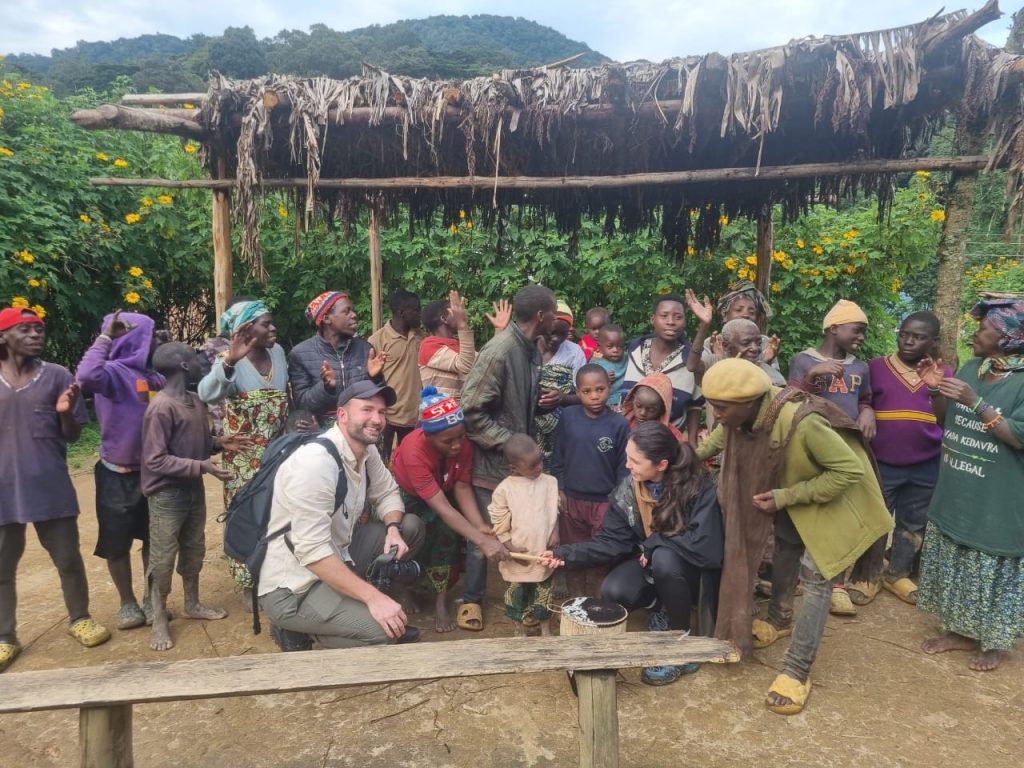
Cultural Safaris in Uganda: Discover Traditions, Heritage and Local Life
Uganda is famous for its mountain gorillas, wildlife and beautiful landscapes. However, the country also offers rich cultural experiences that help visitors understand its people, traditions and history. With cultural safaris in Uganda, you can meet local communities, discover traditional kingdoms, taste Ugandan food and learn how people preserve their heritage.
At Crown Gorilla Safaris, we organise cultural experiences that can be enjoyed on their own or combined with gorilla trekking, chimpanzee tracking and wildlife safaris. Whether you are visiting Uganda for a few days or planning a longer adventure, we can help you create a meaningful journey.
What Are Cultural Safaris in Uganda?
Cultural safaris in Uganda allow travellers to experience the country’s traditions, beliefs, history and everyday life. Instead of only visiting national parks, you also explore communities, cultural centres, historical sites and traditional homes.
For example, you can learn about the Buganda Kingdom near Kampala, meet Batwa communities near Bwindi, or discover the traditions of the Karamojong in northeastern Uganda. Additionally, you can enjoy traditional music, dance, storytelling, local food and craft-making demonstrations.
As a result, cultural safaris offer a deeper understanding of Uganda while creating opportunities to support local communities.
Best Places for Cultural Safaris in Uganda
1. Kampala and the Buganda Kingdom
Kampala is an excellent starting point for discovering Uganda’s history and cultural heritage. In particular, visitors can learn about the Buganda Kingdom, one of the country’s most prominent traditional kingdoms.
During a cultural tour, you may visit the Mengo area, Bulange, the administrative centre of the Buganda Kingdom, and the Kasubi Tombs, a UNESCO World Heritage Site associated with Buganda’s kings. Moreover, local guides can explain the kingdom’s traditions, leadership and historical importance.
2. Batwa Cultural Experiences Near Bwindi and Mgahinga
The Batwa are Indigenous people whose traditional forest life is closely connected to the forests of southwestern Uganda. Therefore, a Batwa cultural experience provides an opportunity to learn about their history, traditional knowledge, music and relationship with the forest.
Near Bwindi Impenetrable National Park, visitors can explore organised community experiences. Similarly, the Batwa Cultural Trail near Mgahinga offers insights into traditional forest life and cultural heritage.
These visits should be approached respectfully. Whenever possible, choose community-led experiences that recognise local knowledge and provide direct benefits to participating communities.
3. Karamoja and the Karamojong People
In northeastern Uganda, Karamoja offers a distinctive cultural experience. The Karamojong have strong pastoral traditions, and cattle play an important role in their livelihoods and cultural identity.
During a guided visit, travellers may learn about traditional homes, livestock keeping, community life and local customs. Furthermore, visitors can discover the region’s landscapes and experience a side of Uganda that differs from the country’s more frequently visited safari destinations.
4. Lake Mburo, Mbarara and Ankole Culture
Western Uganda is an excellent destination for learning about Ankole traditions. Historically, cattle have played an important role in Ankole culture, particularly the long-horned Ankole cattle.
While travelling around Mbarara and the Lake Mburo area, you can explore local communities and learn about cattle keeping, traditional food and regional history. In addition, the Igongo Cultural Centre provides opportunities to discover the heritage of southwestern Uganda through cultural displays and historical interpretation.
5. Kibale Forest and Bigodi Community
Kibale Forest is well known for chimpanzee tracking. However, the surrounding communities also offer rewarding cultural experiences.
For example, visitors to Bigodi can participate in community-based walks, learn about local livelihoods and discover traditional practices. Additionally, community tourism in the area can support conservation and create income opportunities for residents.
Consequently, Bigodi is an excellent choice for travellers who want to combine nature, culture and community interaction.
6. Jinja and the Source of the Nile
Jinja is famous for the Source of the Nile and its adventure activities. Nevertheless, the area also offers opportunities to discover Basoga culture and local life.
Depending on your interests, you can explore local markets, learn about traditional food and crafts, or interact with community members through organised cultural visits. You can also combine these experiences with a boat trip or a visit to the Nile.
7. Eastern Uganda and the Bagisu People
Eastern Uganda provides another fascinating cultural experience through the Bagisu people, particularly around Mount Elgon.
One of the region’s best-known traditions is Imbalu, a traditional circumcision ceremony that marks an important stage in the lives of participating males. However, ceremonies follow cultural schedules and are not available to visitors throughout the year.
If you plan to attend a cultural event, arrange your visit in advance and follow local guidance regarding photography, participation and respectful behaviour.
Activities to Enjoy on Cultural Safaris in Uganda
Cultural safaris offer a variety of activities depending on the destination and community involved.
- Traditional music and dance: Enjoy performances that express local history, celebrations and cultural identity.
- Community visits: Learn about daily life, traditional homes and local livelihoods.
- Ugandan food experiences: Discover regional dishes and, where available, participate in food preparation.
- Craft-making: Observe or participate in activities such as basket weaving, pottery and other traditional crafts.
- Historical tours: Visit cultural centres, royal sites and other important heritage locations.
- Storytelling: Listen to community members share local stories, customs and knowledge.
Additionally, some experiences allow visitors to purchase locally made crafts directly from artisans. Therefore, cultural tourism can provide both a memorable experience and practical support for local livelihoods.
Combine Cultural Safaris with Wildlife and Gorilla Trekking
One of the main advantages of cultural safaris in Uganda is that they can be combined with other adventures.
For instance, you can visit a Batwa community near Bwindi before or after gorilla trekking. Similarly, a Kibale itinerary can include chimpanzee tracking and a community experience in Bigodi.
Meanwhile, travellers visiting western Uganda can combine Ankole cultural experiences with wildlife viewing in Lake Mburo National Park. Alternatively, visitors travelling through northern and eastern Uganda can explore regional communities alongside scenic landscapes and wildlife destinations.
With Crown Gorilla Safaris, your itinerary can be designed around your available time, interests and budget.
Sample Cultural Safari Itineraries
The following examples provide a starting point. However, the final route depends on your arrival point, preferred activities and travel pace.
- Day 1: Explore Kampala and discover Buganda heritage.
- Day 2: Visit cultural sites and experience local food and crafts.
- Day 3: Enjoy a community visit before departure.
5-Day Cultural and Nature Safari
- Day 1: Arrive in Entebbe and transfer to Kampala.
- Day 2: Discover Buganda history and cultural landmarks.
- Day 3: Travel towards western Uganda.
- Day 4: Enjoy a community experience near Kibale or Bigodi.
- Day 5: Enjoy a final cultural activity before departure, depending on your route.
7-Day Cultural and Wildlife Safari
- Day 1: Arrive in Entebbe.
- Day 2: Explore Kampala and Buganda heritage.
- Day 3: Travel to western Uganda.
- Day 4: Enjoy a cultural experience near Kibale and, if arranged, chimpanzee tracking.
- Day 5: Continue towards Lake Mburo or another suitable wildlife destination.
- Day 6: Discover local traditions and enjoy a wildlife activity.
- Day 7: Return to Entebbe for departure.
10-Day Uganda Cultural and Gorilla Safari
- Days 1–2: Explore Entebbe, Kampala and Buganda heritage.
- Days 3–4: Travel towards western Uganda and experience local communities.
- Days 5–6: Enjoy wildlife activities and cultural experiences around Kibale or Queen Elizabeth National Park.
- Days 7–8: Travel to Bwindi for a planned gorilla trek and, where available, a Batwa cultural experience.
- Day 9: Visit Lake Bunyonyi or enjoy a community-based activity.
- Day 10: Return towards Entebbe, depending on your departure arrangements.
These itineraries are examples rather than fixed packages. In particular, longer driving distances and activity availability may require adjustments.
Best Time for Cultural Safaris in Uganda
Cultural safaris in Uganda are possible throughout the year. Nevertheless, some travellers prefer the drier periods, generally from June to September and December to February, because travel conditions are often more favourable.
During the wetter months, landscapes can be especially green, although some roads may become more challenging. Meanwhile, specific cultural ceremonies and festivals take place according to local schedules.
Therefore, if you want to attend a particular ceremony, confirm its dates before booking your trip.
How Much Do Cultural Safaris in Uganda Cost?
The cost depends on several factors, including the length of the safari, accommodation category, transport, destinations and activities.
For example, a short cultural tour around Kampala will generally require a different budget from a private safari combining cultural experiences, gorilla trekking and several national parks. Furthermore, accommodation choices, group size, guide services and additional activities influence the final price.
For an accurate quotation, share your travel dates, number of travellers, preferred accommodation and the experiences you would like to include. Crown Gorilla Safaris can then prepare an itinerary suited to your needs.
Responsible Cultural Tourism
Cultural tourism should benefit both visitors and the communities they meet. For this reason, travellers should respect local customs and follow the guidance of community leaders and guides.
Always ask permission before taking photographs, especially of people or cultural ceremonies. Additionally, dress appropriately, listen respectfully and avoid treating cultural practices as performances without meaning.
Where possible, choose locally organised experiences and purchase crafts directly from artisans. In this way, your visit can contribute to cultural preservation and community livelihoods.
What to Pack for a Cultural Safari
Although packing requirements vary by destination, the following items are useful:
- Comfortable walking shoes and lightweight clothing.
- A light rain jacket, especially during the wetter months.
- Sun protection, including a hat and sunscreen.
- A camera or phone, used respectfully and with permission.
- Reusable drinking water bottle.
- Some cash for local purchases and community activities.
If your cultural safari also includes gorilla trekking or chimpanzee tracking, bring the additional equipment recommended for those activities.
Why Choose Crown Gorilla Safaris?
Crown Gorilla Safaris helps travellers discover Uganda through personalised safari experiences. Whether you are interested in traditional kingdoms, community visits, local food, cultural heritage or a combination of culture and wildlife, we can help plan a suitable journey.
Moreover, we aim to create experiences that are informative, enjoyable and respectful of local communities. Our team can assist with itinerary planning, transport, accommodation and the coordination of activities.
Explore. Discover. Conserve. Let us help you experience the people, traditions and natural beauty that make Uganda special.
Visit Crown Gorilla Safaris to begin planning your cultural safari in Uganda.
Frequently Asked Questions
1. What can I see on cultural safaris in Uganda?
You can discover traditional kingdoms, historical sites, community life, traditional music and dance, local food, crafts and Indigenous cultural heritage. In addition, many itineraries combine cultural visits with wildlife and nature activities.
2. Can I combine cultural safaris with gorilla trekking?
Yes. For example, you can combine gorilla trekking in Bwindi Impenetrable National Park with a Batwa cultural experience. However, the activities should be arranged in advance to fit your travel schedule.
3. Are cultural safaris in Uganda suitable for families?
Yes. Many cultural visits are suitable for families, although activities should be selected according to children’s ages and interests. Therefore, let your tour operator know if you are travelling with children.
4. How long should I spend on a cultural safari?
A short tour may take two or three days, while a broader cultural and wildlife journey may take seven to ten days or longer. Ultimately, the ideal duration depends on the places you want to visit and how much time you have.
5. Can I visit local communities respectfully?
Yes. Choose organised experiences, follow your guide’s advice and ask permission before taking photographs. Most importantly, respect local customs and support community-led tourism whenever possible.