
Birding Safaris in Uganda: Best Birdwatching Destinations, Species and Travel Tips
Uganda is one of Africa’s most rewarding destinations for birdwatching, offering an extraordinary variety of birds across tropical rainforests, wetlands, lakes, rivers, mountains and open savannah. For travellers who want to discover rare birds, photograph colourful species or expand their bird lists, birding safaris in Uganda provide memorable experiences in some of East Africa’s most beautiful natural environments.
From searching for the famous shoebill at Mabamba Wetland to looking for Albertine Rift endemics in Bwindi Impenetrable National Park, every region offers something different. In addition, birdwatchers can combine forest walks, boat trips, game drives and cultural experiences in one carefully planned safari.
At Crown Gorilla Safaris, we help travellers plan personalised birding experiences across Uganda, with routes designed around their interests, preferred destinations, available time and target bird species.
Whether you are planning your first birdwatching holiday or a dedicated expedition to find rare African birds, Uganda has excellent opportunities to make your trip rewarding.
Why Choose Birding Safaris in Uganda?
Uganda stands out because several major ecological regions meet within a relatively compact country. As a result, birdwatchers can explore habitats that support different bird communities without travelling across multiple countries.
Uganda has more than 1,000 recorded bird species, including forest specialists, wetland birds, savannah species, raptors and migratory visitors. This diversity attracts birdwatchers from Europe, North America, Asia and other parts of Africa.
Here are some of the main reasons to choose Uganda for your next birdwatching adventure.
1. Exceptional Bird Diversity
Uganda’s varied landscapes support an impressive range of birdlife. Wetlands provide feeding and breeding grounds for waterbirds, while tropical forests shelter colourful turacos, barbets, hornbills and forest-dwelling species.
Meanwhile, savannah parks offer opportunities to observe eagles, vultures, rollers, bee-eaters, bustards and numerous other birds. Mountain forests also provide opportunities to search for species associated with the Albertine Rift.
Therefore, a well-planned birding safari can introduce you to several bird families and habitats during a single visit.
2. Opportunities to Find Rare and Special Birds
Many birdwatchers travel to Uganda to look for particular species that are difficult to see elsewhere. The shoebill is one of the country’s most famous birding attractions. Other sought-after birds include the African green broadbill, great blue turaco, Grauer’s broadbill and various forest hornbills.
However, sightings depend on location, season, weather and bird behaviour. A knowledgeable guide can improve your chances by selecting suitable habitats and helping you identify bird calls, feeding areas and preferred vegetation.
3. Different Habitats Within One Country
Another advantage of birding safaris in Uganda is the variety of habitats available. You can explore papyrus swamps in the morning, tropical forest trails later in the trip and open savannah during a wildlife drive.
Each habitat offers a different experience. Consequently, combining several regions often produces a more diverse bird list than spending the entire safari in one location.
4. Birdwatching Combined With Wildlife Experiences
Uganda is also suitable for travellers who want more than birdwatching. You can combine birding with gorilla trekking, chimpanzee tracking, boat cruises, traditional community visits and wildlife viewing.
For example, a safari through Queen Elizabeth National Park can include savannah birding, a boat trip along the Kazinga Channel and opportunities to see elephants, buffaloes and other wildlife.
Best Places for Birding Safaris in Uganda
Choosing the right destinations is one of the most important parts of planning a successful birding safari. The best route depends on your target species, the habitats you want to explore and the amount of time available.
1. Mabamba Wetland: Search for the Shoebill
Mabamba Wetland, on the shores of Lake Victoria, is one of Uganda’s best-known birdwatching destinations. It is particularly famous for opportunities to search for the remarkable shoebill, a large wetland bird with a distinctive shoe-shaped bill.
A guided canoe excursion through the wetland’s narrow channels provides an excellent way to explore papyrus vegetation and search for birds in their natural habitat.
Besides the shoebill, birdwatchers may encounter malachite kingfishers, African jacanas, herons, egrets, weavers and other wetland species. The precise sightings vary with conditions and the time of the visit.
Mabamba is also convenient for travellers arriving at Entebbe International Airport. Depending on arrival time and the safari schedule, it can be arranged at the beginning or end of a longer birding trip.
Best for: Shoebill searches, wetland birds, photography and short birdwatching excursions.
2. Bwindi Impenetrable National Park: Albertine Rift Birding
Bwindi Impenetrable National Park in southwestern Uganda is internationally recognised for mountain gorillas. However, it is also an important destination for specialist birdwatchers.
Its montane rainforest supports numerous forest birds, including species associated with the Albertine Rift, a region known for its distinctive biodiversity. For birders interested in finding range-restricted species, Bwindi deserves an important place on the itinerary.
Possible targets include the African green broadbill, Rwenzori turaco, handsome francolin, bar-tailed trogon and other forest specialists. Availability varies by sector, elevation and habitat, so route planning matters.
Birdwatching usually involves walking forest trails with a guide who can help identify birds by their calls, movements and appearance. Some species remain difficult to see through dense vegetation, making patience and careful observation essential.
Travellers can also combine birding with mountain gorilla trekking, provided they arrange the required permits and allow enough time for both activities.
Best for: Forest birding, Albertine Rift species, specialist birdwatchers and combined birding and gorilla safaris.
3. Queen Elizabeth National Park: Savannah and Wetland Birds
Queen Elizabeth National Park offers a rich combination of open grassland, woodland, crater lakes, wetlands and riverine habitats. This diversity makes it an excellent destination for birding safaris in Uganda.
During game drives, birdwatchers can search for raptors, rollers, bee-eaters, storks, bustards and other savannah species. Around the Kazinga Channel, boat trips offer opportunities to observe waterbirds along the shoreline and in nearby vegetation.
The park’s wetland areas and varied habitats also support numerous species associated with lakes, marshes and open water. Birding can therefore be combined with wildlife viewing, including opportunities to see elephants, buffaloes, hippos and, with luck, lions.
A flexible schedule is particularly useful here because bird activity and visibility change throughout the day. Early mornings are often productive for birding, while a boat trip provides a different perspective on waterbirds and shoreline species.
Best for: Savannah birds, waterbirds, boat-based birdwatching and combined wildlife safaris.
4. Murchison Falls National Park: Birding Along the Nile
Murchison Falls National Park in northwestern Uganda combines open savannah, woodland, riverbanks and wetlands. The River Nile adds another important habitat, making the park a valuable destination for birdwatchers.
Birding activities may include early-morning game drives, guided walks in suitable areas and boat excursions along the Nile. The river and its surrounding vegetation provide opportunities to look for fish eagles, kingfishers, herons, storks and other water-associated birds.
The Nile delta and nearby wetlands are also important places to search for the shoebill, although sightings are never guaranteed.
Beyond birdwatching, visitors can enjoy views of Murchison Falls, where the Nile forces its way through a narrow gorge. This combination of scenery, birdlife and larger wildlife makes the park suitable for both dedicated birders and travellers seeking a varied safari.
Best for: Riverine birds, savannah species, shoebill searches in suitable wetland areas and birding combined with wildlife viewing.
5. Semuliki National Park: Central African Forest Species
Semuliki National Park in western Uganda is an important destination for birders interested in Central African forest species. Its lowland tropical forest supports a bird community that differs from those found in Uganda’s higher-altitude forests.
This makes Semuliki particularly valuable for travellers who want to expand their bird lists beyond the species commonly encountered on standard savannah safaris.
Possible targets include the white-crested hornbill, piping hornbill, red-billed dwarf hornbill, black-casqued wattled hornbill and several other forest birds. Species identification can be challenging because birds may remain high in the canopy or move quickly through dense vegetation.
Birdwatchers can explore suitable forest trails with a guide who understands the area’s bird calls and preferred habitats. The park can also be combined with Fort Portal, Kibale Forest and other destinations in western Uganda.
Best for: Lowland forest birding, Central African forest species and specialist birdwatching trips.
6. Kibale National Park: Tropical Forest Birdwatching
Kibale National Park is famous for chimpanzee tracking, but it also offers excellent opportunities to explore tropical forest birdlife.
The forest supports turacos, barbets, greenbuls, flycatchers and other species that prefer dense vegetation. Birdwatchers can search for the great blue turaco, African pitta during suitable seasonal conditions and a variety of forest specialists.
A guided forest walk helps visitors learn bird calls and observe feeding, nesting and movement patterns. Because forest birds can be difficult to locate, a patient approach and a knowledgeable guide make a significant difference.
Kibale can also be combined with Bigodi Wetland Sanctuary, which offers a contrasting habitat of wetland, woodland and forest edges. Exploring both locations can improve the variety of birds encountered during the safari.
Best for: Tropical forest birds, great blue turaco searches, birding combined with chimpanzee tracking and wetland excursions.
7. Bigodi Wetland Sanctuary: Community-Based Birdwatching
Bigodi Wetland Sanctuary lies near Kibale National Park and is a valuable addition to birding safaris in western Uganda.
Its wetland vegetation, woodland and forest edges attract a wide range of birds. Visitors may encounter the great blue turaco, papyrus gonolek, kingfishers, weavers, herons and other species, depending on the season and conditions.
Guided walks also introduce travellers to the importance of wetlands for wildlife and local communities. The experience offers an opportunity to support community-based tourism while learning about the area’s natural environment.
Bigodi is especially useful for birdwatchers who want to combine a forest destination with a wetland habitat without adding a completely separate region to their itinerary.
Best for: Wetland birding, community-guided walks and birdwatching combined with Kibale Forest.
8. Mabira Forest: Birding Near Kampala and Jinja
Mabira Forest, located between Kampala and Jinja, is a useful destination for travellers who want to experience tropical forest birding in central Uganda.
Its forest trails provide opportunities to search for barbets, turacos, greenbuls, sunbirds and other woodland and forest species. The forest is also relevant for birders targeting selected regional specialities.
Mabira works well as a short excursion or as part of a longer itinerary that includes Jinja and the River Nile. It can also provide a forest-birding experience for visitors who do not have enough time to travel to southwestern Uganda.
Best for: Forest birding near central Uganda, shorter excursions and trips combined with Jinja.
9. Kidepo Valley National Park: Remote Savannah Birding
Kidepo Valley National Park in northeastern Uganda offers a distinctive dry-savannah landscape with rocky hills, open plains and seasonal river valleys.
Its remote setting and different ecological conditions make it attractive to birdwatchers looking for species associated with Uganda’s northeastern region. Depending on the area visited, birders may search for raptors, rollers, hornbills, bustards and other dry-country birds.
Because Kidepo lies far from several of Uganda’s other major birding destinations, it generally requires additional travel time. However, it can be an excellent choice for travellers who want to explore a less-visited part of the country and combine birding with classic African wildlife viewing.
Best for: Dry-country birds, remote wilderness experiences and birding combined with savannah wildlife.
10. Lake Mburo National Park: Woodland, Wetland and Savannah Birds
Lake Mburo National Park is another worthwhile destination for birding safaris in Uganda. Its landscape includes open grassland, acacia woodland, wetlands and lakes that support different bird communities.
Birdwatchers may encounter African finfoots in suitable wetland habitat, colourful rollers, kingfishers, storks, eagles and numerous other species. The park’s varied landscapes also create opportunities for photography and wildlife observation.
Lake Mburo is particularly useful for shorter safaris because it can fit into itineraries travelling between Entebbe or Kampala and southwestern Uganda.
A guided game drive, nature walk in permitted areas or boat trip can add variety to the birdwatching experience.
Best for: Woodland birds, wetland species, shorter safaris and birding combined with wildlife viewing.
Which Birds Can You See on a Uganda Birding Safari?
Uganda’s birdlife includes species from wetlands, forests, mountains, rivers and savannah. The birds you encounter will depend on your itinerary, habitat, season and the time spent at each location.
Some of the notable birds to look for include:
- Shoebill: A highly sought-after wetland bird, particularly associated with Mabamba Wetland and selected areas of the Nile delta.
- Great blue turaco: A striking forest bird that can be found in suitable forest and woodland habitats.
- African green broadbill: A specialist forest bird associated with the Albertine Rift, including suitable habitat in Bwindi.
- Rwenzori turaco: A colourful bird associated with montane forest habitats in the Albertine Rift region.
- African fish eagle: A familiar large raptor often associated with lakes, rivers and wetlands.
- Malachite kingfisher: A small, colourful kingfisher found around suitable water habitats.
- Papyrus gonolek: A wetland specialist associated with papyrus vegetation.
- Hornbills: Several species occur in Uganda, including distinctive forest hornbills in suitable habitats.
- African jacana: A wetland bird often seen walking across floating vegetation.
- Secretarybird: A striking terrestrial bird of open grassland and savannah habitats in suitable areas.
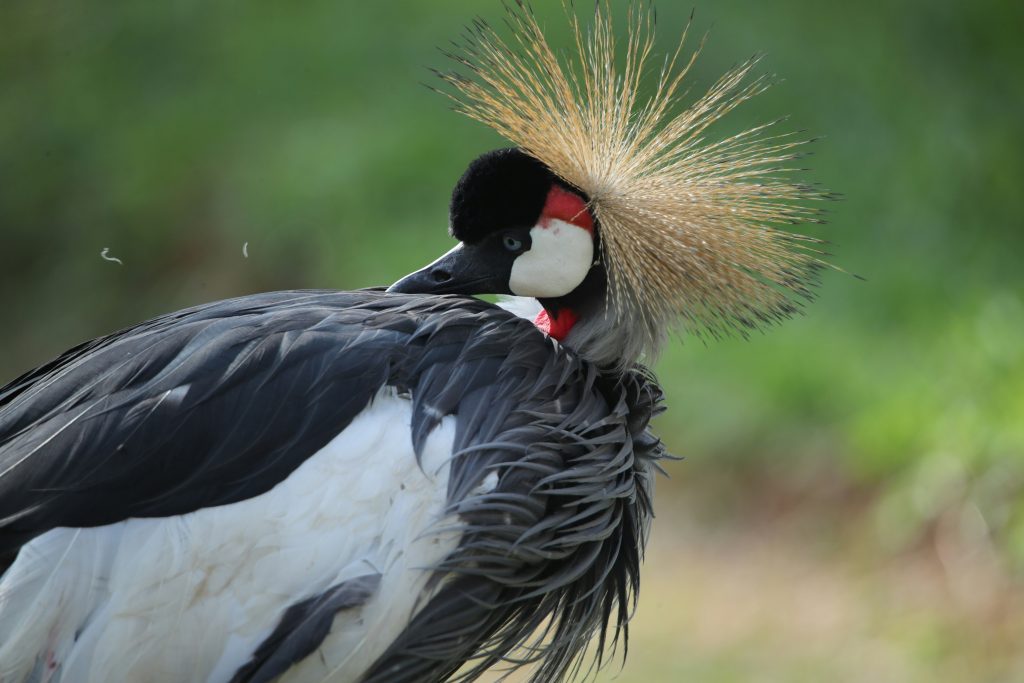
- Grey crowned crane: Uganda’s national bird, which can be encountered in appropriate grassland and wetland habitats.
- African pitta: A sought-after forest species that birdwatchers may target in suitable habitats and seasons.
This list is not a guarantee of sightings. Instead, it provides a starting point for deciding which destinations to include in your birding itinerary.
Best Time for Birding Safaris in Uganda
Birding safaris in Uganda are possible throughout the year because many bird species are resident. Nevertheless, the most suitable travel period depends on your target birds, preferred destinations and tolerance for rain.
June to September
This period is often a good choice for birdwatchers who prefer generally drier conditions. Forest trails and some roads may be easier to navigate, although local weather can still change.
It is also a useful time to explore several destinations in one trip, especially when the itinerary includes forest walks, savannah drives and wetland excursions.
December to February
These months are another popular period for birding and general wildlife safaris. Many routes can be more manageable during the drier conditions, although temperatures and rainfall vary by region.
This period can work well for visitors who want to combine birdwatching with gorilla trekking, chimpanzee tracking or other wildlife activities.
March to May
The longer rainy period can bring challenging trail and road conditions in some areas. However, birdwatching can still be rewarding, and breeding activity may create interesting opportunities for observation.
Travellers should allow flexibility in their schedules and prepare for wet conditions.
October to November
These months can also be productive for birding, depending on the location and rainfall. Migratory birds may be present during parts of the season, while resident species continue to offer opportunities throughout the year.
The best dates depend on your target species and route. For current seasonal advice, consult your safari planner before confirming travel arrangements.
How Many Days Do You Need for Birding Safaris in Uganda?
The ideal length of a birding safari depends on whether you want a short introduction, a broader selection of habitats or a specialist trip targeting particular species.
3-Day Birding Safari
A three-day itinerary is suitable for visitors with limited time. It may focus on Entebbe, Mabamba Wetland and another nearby birding location, depending on arrival and departure times.
This option works particularly well for travellers who want to search for the shoebill and explore wetland or forest habitats without travelling across the country.
5-Day Birding Safari
A five-day trip allows more time to explore several habitats. A possible itinerary may include Mabamba Wetland, Lake Mburo National Park and selected birding locations along the route.
The final route should consider driving distances, the time needed for birding and the locations of your priority species.
7-Day Birding Safari
A seven-day itinerary can include a combination of wetlands, savannah and forest habitats. For example, visitors might explore Mabamba, Queen Elizabeth National Park and Kibale or another suitable destination.
This option offers a broader experience than a short trip, although the route must be planned carefully to avoid spending too much of the holiday travelling.
10-Day Birding Safari
A ten-day safari provides more time to explore different ecological regions. Depending on your target birds, the itinerary might combine Mabamba, Murchison Falls, Kibale, Queen Elizabeth and selected forest locations.
However, visiting every major birding destination within ten days may involve long drives and limited time at each site. A specialist itinerary should prioritise the locations that best match your birding interests.
12 to 15-Day Birding Safari
A longer safari is often the best choice for travellers who want to explore a wide range of habitats and target specialist birds.
Depending on the route, a trip of this length can include Mabamba Wetland, Murchison Falls, Kibale, Semuliki, Queen Elizabeth, Bwindi and other selected destinations.
A longer itinerary allows additional time for early-morning birding, repeated visits to productive sites and searching for difficult species. Nevertheless, the final route should be based on realistic travel times and the birdwatcher’s priorities rather than the number of parks alone.
Sample Itinerary for Birding Safaris in Uganda
The following is an example of how a longer birding safari could be organised. It is a planning outline rather than a fixed itinerary, and the order may change according to arrival times, target species and road conditions.
Day 1: Arrival in Entebbe
Arrive at Entebbe International Airport and transfer to your accommodation. If your arrival time allows, you may enjoy a short birding excursion around suitable nearby habitats.
Otherwise, use the day to rest, meet your guide and discuss your target bird list.
Day 2: Mabamba Wetland
Set out early for a guided canoe excursion through Mabamba Wetland. Search for the shoebill and observe other wetland birds in the papyrus channels.
After the excursion, review the day’s sightings and prepare for the next stage of the journey.
Day 3: Travel Towards Murchison Falls National Park
Travel north towards Murchison Falls, with suitable birding stops along the way where time and road conditions permit.
The route can provide opportunities to observe changing landscapes and birds outside the major parks.
Day 4: Birding in Murchison Falls National Park
Begin with an early-morning birding drive through suitable savannah and woodland habitats. Later, explore the Nile by boat, looking for waterbirds and other wildlife along the riverbanks.
The day’s activities can be adjusted to focus on the species you most want to find.
Day 5: Forest Birding and Transfer Towards Kibale
Continue to Kibale or another suitable forest destination. Depending on the journey and timing, make selected birding stops along the way.
Allow enough time to rest before the next morning’s forest excursion.
Day 6: Kibale Forest and Bigodi Wetland
Explore suitable forest trails with a birding guide, then visit Bigodi Wetland Sanctuary if the schedule permits.
This combination introduces you to two contrasting habitats and offers opportunities to search for forest and wetland birds.
Day 7: Queen Elizabeth National Park
Travel towards Queen Elizabeth National Park and explore suitable birding locations along the route or near your accommodation.
Depending on arrival time, an afternoon excursion may introduce you to savannah and wetland habitats.
Day 8: Birding and Boat Cruise on the Kazinga Channel
Spend the morning searching for birds in suitable park habitats. Later, enjoy a boat cruise along the Kazinga Channel to observe waterbirds, shoreline species and other wildlife.
The boat excursion provides a different viewing angle from a game drive and allows time to watch birds feeding and interacting.
Day 9: Transfer to Bwindi Impenetrable National Park
Travel to Bwindi, selecting the appropriate sector according to the birding route and accommodation arrangements.
The journey takes time, so avoid scheduling an overly ambitious birding programme before arrival.
Day 10: Forest Birding in Bwindi
Explore suitable forest trails with a guide familiar with the region’s birdlife. Focus on forest species and Albertine Rift targets appropriate to the sector.
After the excursion, discuss your sightings and determine whether additional birding time is needed before the journey back.
For a longer expedition, add days in Semuliki, Kidepo or other specialist locations according to your interests.
Birding Safaris in Uganda for Beginners and Experienced Birdwatchers
Not every birdwatcher wants the same kind of safari. Some travellers are interested in seeing as many species as possible, while others prefer photography, learning bird calls or observing a few special birds in detail.
Birding Safaris for Beginners
If you are new to birdwatching, a safari can introduce you to different bird families, habitats and identification techniques.
Your guide can help you distinguish similar species, use binoculars effectively and recognise common calls. A relaxed itinerary with fewer destinations may be more enjoyable than attempting to visit every major park.
Specialist Birding Safaris
Experienced birdwatchers may want to focus on specific targets, including Albertine Rift endemics, Central African forest species or selected wetland birds.
For these trips, itinerary planning is especially important. The right forest sector, local guide knowledge and enough time at each location can make a meaningful difference.
Bird Photography Safaris
Photographers often need more time at each site because good images depend on light, distance, bird behaviour and unobstructed views.
A photography-focused safari can include early starts, patient observation and flexible stops. A private vehicle may be useful because it allows the schedule to adapt to photographic opportunities.
Birds should always be observed and photographed responsibly. Guides should avoid disturbing nests, chasing birds or damaging vegetation to obtain a photograph.
What Is Included in a Birding Safari Package?
The exact inclusions depend on the itinerary and accommodation level. However, a well-organised birding safari package may include:
- Private transport in a suitable safari vehicle.
- An experienced driver-guide and, where appropriate, a specialist birding guide.
- Accommodation selected according to your budget and route.
- Meals as specified in the itinerary.
- Planned birdwatching excursions and nature walks.
- Boat or canoe excursions where included.
- Park entry fees and activity charges clearly listed in the quotation.
- Airport transfers and agreed pick-up arrangements.
- Assistance with route planning and practical travel arrangements.
Before booking, ask for a written quotation that clearly explains what is included and excluded. International flights, visas, travel insurance, tips, personal expenses and certain specialist activities may be charged separately.
How Much Do Birding Safaris in Uganda Cost?
The cost of birding safaris in Uganda depends on several factors, so there is no single price that suits every traveller.
Trip duration: A longer safari generally requires more accommodation nights, transport and guiding time.
Number of travellers: Private vehicle and guide costs can be shared among participants, which may reduce the cost per person for a group.
Accommodation choice: Budget, midrange and luxury lodges offer different levels of comfort, location and service.
Destinations and driving distances: A route covering distant parks may require more fuel, travel time and overnight stops.
Specialist guiding: Travellers targeting rare or difficult-to-find species may prefer a guide with extensive birding experience.
Activities and park charges: Park entry, boat trips, canoe excursions and other activities affect the final quotation.
For an accurate price, share your preferred travel dates, number of travellers, trip duration, accommodation level and target birds with Crown Gorilla Safaris. A tailored quotation can then reflect the actual route and services required.
What to Pack for Birding Safaris in Uganda
Packing the right equipment makes birdwatching more comfortable and helps you enjoy each excursion.
- Binoculars: Choose binoculars suitable for wildlife observation and comfortable to carry during long walks.
- Camera and lens: Bring your preferred photography equipment, extra batteries and memory cards.
- Field guide or birding app: These can help with identification and recording sightings.
- Notebook or checklist: Record species, locations and observations throughout the trip.
- Neutral-coloured clothing: Earthy colours are practical for walking in natural habitats.
- Comfortable walking shoes: Forest trails may be muddy or uneven, especially after rain.
- Rain jacket: Uganda’s weather can change quickly, particularly in forest and mountain regions.
- Sun protection: Carry a hat, sunscreen and drinking water.
- Insect repellent and personal medication: Pack items appropriate for your needs and travel advice.
- Small daypack: Use it to carry essentials while keeping your hands free for binoculars or a camera.
Your safari planner can advise you about additional equipment based on the destinations and activities in your itinerary.
Why Travel With Crown Gorilla Safaris?
Planning birding safaris in Uganda involves more than selecting national parks. The route must consider habitat diversity, target species, driving distances, seasonal conditions and the time required for productive birdwatching.
Crown Gorilla Safaris helps travellers organise personalised Uganda safari experiences according to their interests and available time.
Whether you want a short excursion to search for the shoebill, a week exploring wetlands and forests, or a longer specialist birding expedition, your itinerary can be developed around your priorities.
Our planning approach can include:
- Tailor-made itineraries based on your target birds.
- Private safari transport and planned birding stops.
- A choice of accommodation categories.
- Birding combined with gorilla trekking, chimpanzee tracking or wildlife viewing.
- Assistance with selecting suitable destinations and travel dates.
- Clear information about itinerary inclusions and costs.
When requesting your safari, let us know whether you are a beginner, an experienced birder or a wildlife photographer. If you have a target list, share it in advance so the route can be planned around the most suitable habitats.
Frequently Asked Questions About Birding Safaris in Uganda
Is Uganda a good destination for birding safaris?
Yes. Uganda has more than 1,000 recorded bird species and a variety of habitats, including wetlands, tropical forests, mountains and savannah. This makes it suitable for beginners, experienced birdwatchers and specialist birding groups.
Where is the best place to see the shoebill in Uganda?
Mabamba Wetland is one of the country’s best-known destinations for searching for the shoebill. Suitable wetlands in the Nile delta and other locations may also offer opportunities. However, sightings are not guaranteed.
What is the best month for birding safaris in Uganda?
Birdwatching is possible throughout the year. June to September and December to February are often attractive periods because conditions are generally drier in many popular safari areas. The best dates depend on your target birds and the regions you plan to visit.
How many days should I spend on a birding safari in Uganda?
Three to five days can provide a useful introduction to selected locations. Seven to ten days allow a broader range of habitats, while twelve to fifteen days or longer may suit birders seeking a more extensive expedition.
Can I combine birding with gorilla trekking?
Yes. Birding can be combined with gorilla trekking in Bwindi Impenetrable National Park or Mgahinga Gorilla National Park, subject to permit availability and the route. Allow enough time for both activities, as forest birding and gorilla trekking require different schedules.
Do I need a specialist birding guide?
A specialist birding guide is particularly useful if you want to find rare species, identify similar birds or build a detailed species list. For a relaxed introduction, an experienced guide with strong local bird knowledge can also improve the experience.
Are birding safaris suitable for photographers?
Yes. Birding safaris can be tailored for photography, with extra time at selected locations, flexible stops and early-morning excursions. Tell your safari planner about your equipment and photographic goals before the itinerary is finalised.
Can I arrange a private birding safari in Uganda?
Yes. A private safari allows you to focus on your own target species, travel at a suitable pace and spend more time at productive locations. The final cost depends on your route, group size, accommodation and guiding requirements.
Book Your Birding Safari in Uganda With Crown Gorilla Safaris
Discover Uganda’s remarkable birdlife through a safari designed around your interests. From the papyrus channels of Mabamba Wetland to the tropical forests of Bwindi and Semuliki, every destination offers new habitats to explore and new birds to search for.
Whether you are planning a short birdwatching holiday or an extended expedition, Crown Gorilla Safaris can help you choose suitable destinations and organise a practical itinerary.
Contact Crown Gorilla Safaris to start planning your birding safari in Uganda.
- Website: https://crowngorillasafaris.com/
- Email: info@crowngorillasafari.com
- Call or WhatsApp: +256 709 891706
Crown Gorilla Safaris — Explore. Discover. Conserve.